 How-to
How to Get Motorcycle Transport Insurance for a Custom Bike
Last Updated: November 14, 2026
Quick Summary
Custom bike insurance for a transported motorcycle needs to reflect the build, not the standard model, so check that the transporter's policy has a per-bike limit high enough for your machine. Responsibility passes between you, the collector and the carrier at each handover, so confirm who is covered at collection, in transit and at delivery. Get the policy schedule and exclusions in writing, and keep valuation evidence and dated photographs.
- Many standard transit policies value custom bikes as if they were stock.
- A carrier's goods-in-transit cover is not the same as your own agreed-value policy.
- Check the per-bike limit, excess and whether yard storage is included.
- Responsibility shifts at collection, loading, transit, yard storage and delivery.
- Sign the delivery condition report only after inspecting the bike.
Table of Contents
- Why Custom Bikes Need Specific Transport Insurance
- Motorcycle Transport Insurance: What Is Covered
- Questions to Ask a Motorcycle Transporter Before Booking
- Preparing Your Custom Bike and Recording Its Condition
- Making a Motorcycle Transport Damage Claim
- Booking Your Custom Bike Collection With Smiffy's
- Frequently Asked Questions
Why Custom Bikes Need Specific Transport Insurance
Custom motorcycles are often worth far more than the standard model they started life as, yet many standard transit policies value them as if they were stock, which is why custom bike insurance deserves a closer look before you book.
Before you book a collection, it helps to understand what custom bike insurance actually protects, and how it differs from standard motorcycle transport insurance.
A common mistake is assuming the transporter's cover automatically extends to the full build value. In practice, the amount you can claim is usually tied to what was declared and evidenced before the bike moved.
Motorcycle Transport Insurance: What Is Covered
Motorcycle transport insurance is a policy that protects a bike while it is being collected, loaded, carried and delivered. Cover applies to loss or damage in transit, though the exact scope depends on the policy wording, the excess and any stated limits. For a custom machine, the critical question is not simply whether cover exists, but whose policy responds at each stage of the journey.
Who Is Responsible at Each Handover
Responsibility shifts as the bike changes hands, and understanding that sequence is the single most useful thing you can do before booking. A common pattern is:
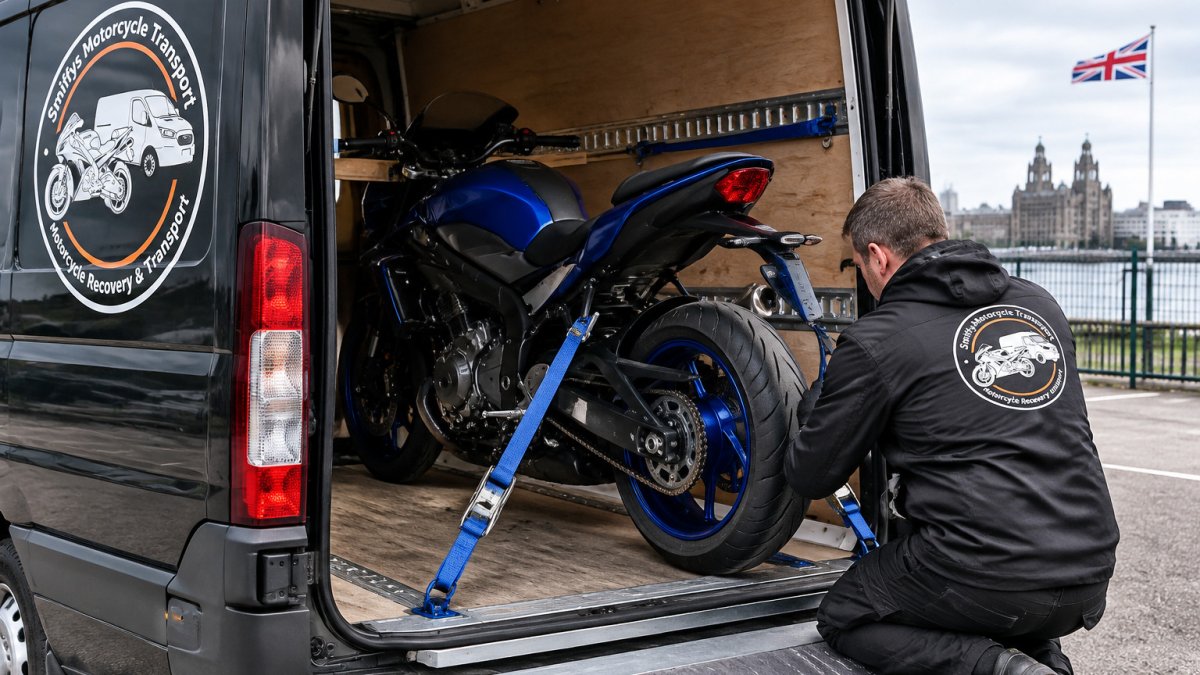
- Collection: The transporter's goods-in-transit or carrier's liability cover usually begins once the bike is signed for and loaded. Before that point, your own motorcycle policy or household cover may respond, depending on its terms.
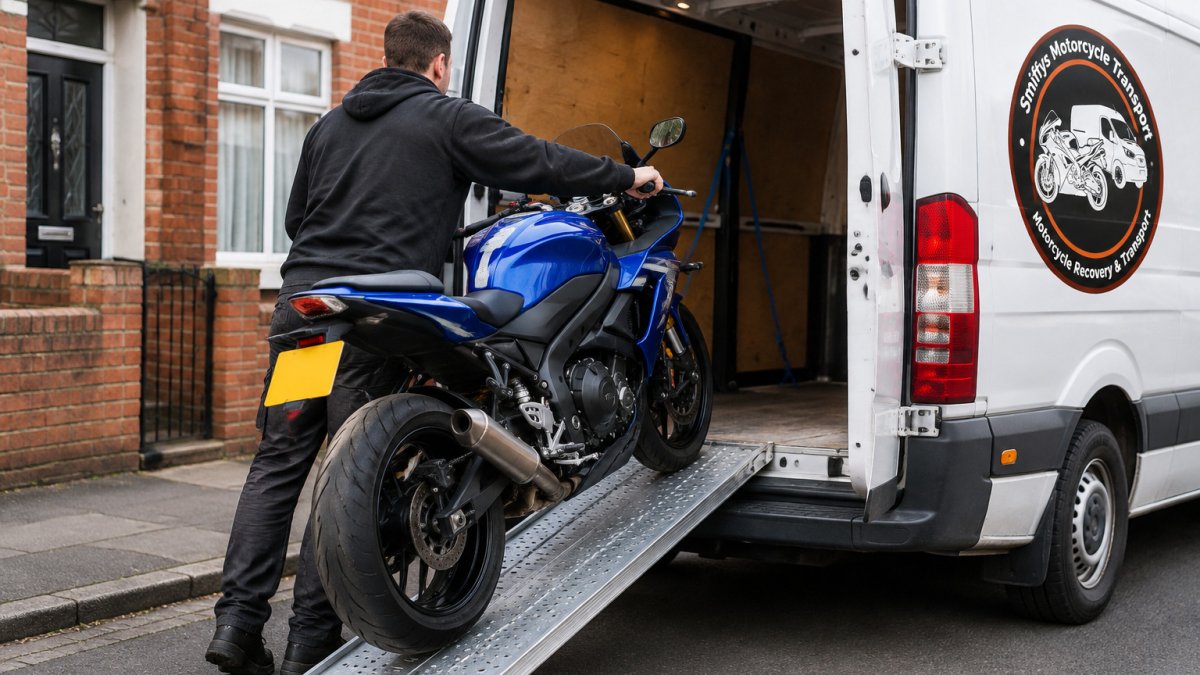
- Loading and unloading: This is where many disputes arise. Check whether the transporter's policy explicitly covers damage during loading and unloading, or whether it excludes it as handling rather than transit.
- In transit: The carrier's cover should apply, but it is often subject to a per-bike limit and a policy excess. If your build value exceeds that limit, the gap is yours unless you have arranged separate cover.
- In the transporter's yard or depot: Cover may be reduced or excluded while the bike is unattended overnight. Ask specifically whether yard storage is included and what security conditions apply.
- Delivery: Responsibility typically passes back to you once you sign the delivery condition report. Inspect before signing, not after.
Your own policy may also provide cover during transit, but many standard motorcycle policies exclude or limit cover while the bike is in the custody of a carrier for reward. Check the wording rather than assuming.
Exclusions and Limits to Check
Cover is rarely a single blanket promise. Before booking, ask for the policy schedule and the exclusions list in writing, and check the following:
- Per-bike limit: The maximum the carrier's insurer will pay for any one machine. A bespoke build can easily exceed a generic limit.
- Excess: The amount deducted from every claim, and whether it applies per bike or per load.
- Unattended vehicle exclusions: Whether cover applies when the bike is left in a yard, layby or overnight depot.
- Loading and unloading damage: Whether handling damage is covered or excluded.
- Theft: Whether theft from the vehicle or yard is included, and what security measures are required.
- Subcontractors: Whether cover extends to a subcontractor the transporter may use, or whether it lapses when the bike changes hands again.
- Pre-existing damage: Most policies exclude damage that was not recorded at collection, which is why a clear condition report is your strongest protection.
Watch out: a carrier's goods-in-transit cover is not the same as your own agreed-value policy. If the carrier's per-bike limit is lower than your build value, the difference is uninsured unless you have arranged top-up cover.
Agreed Value and Valuation Evidence for Bespoke Builds
Agreed value is the sum the insurer and policyholder settle on in advance. For a bespoke build, it is worth preparing valuation evidence rather than relying on a figure from memory. Useful evidence includes an independent valuation report, a parts inventory with purchase prices, and a build log showing when and where work was carried out.
Without this evidence, an insurer may fall back on a generic market value, which often understates the cost of a hand-built machine. Financial Conduct Authority guidance on insurance and fair value
Questions to Ask a Motorcycle Transporter Before Booking
Asking the right questions up front saves time and money, but the answers only help if you know what a good answer looks like. Use the questions below as a vetting framework, and ask for the key points in writing so you have a record if a claim arises later.
Cover and Value
- Does the policy cover custom or modified motorcycles, and at what declared value? A good answer names a specific per-bike limit and confirms that modifications are declared and accepted.
- Are fitted parts and accessories included in the cover, or only the base machine? Ask how aftermarket exhausts, custom paintwork and bespoke seats are treated.
- Is the cover goods-in-transit, carrier's liability, or both? These are different products with different limits and exclusions.
- What is the excess, and does it apply to every claim or per load?
Responsibility and Handover
- Who is responsible during collection, loading, transit and delivery? Ask the transporter to walk you through each stage rather than giving a one-line reassurance.
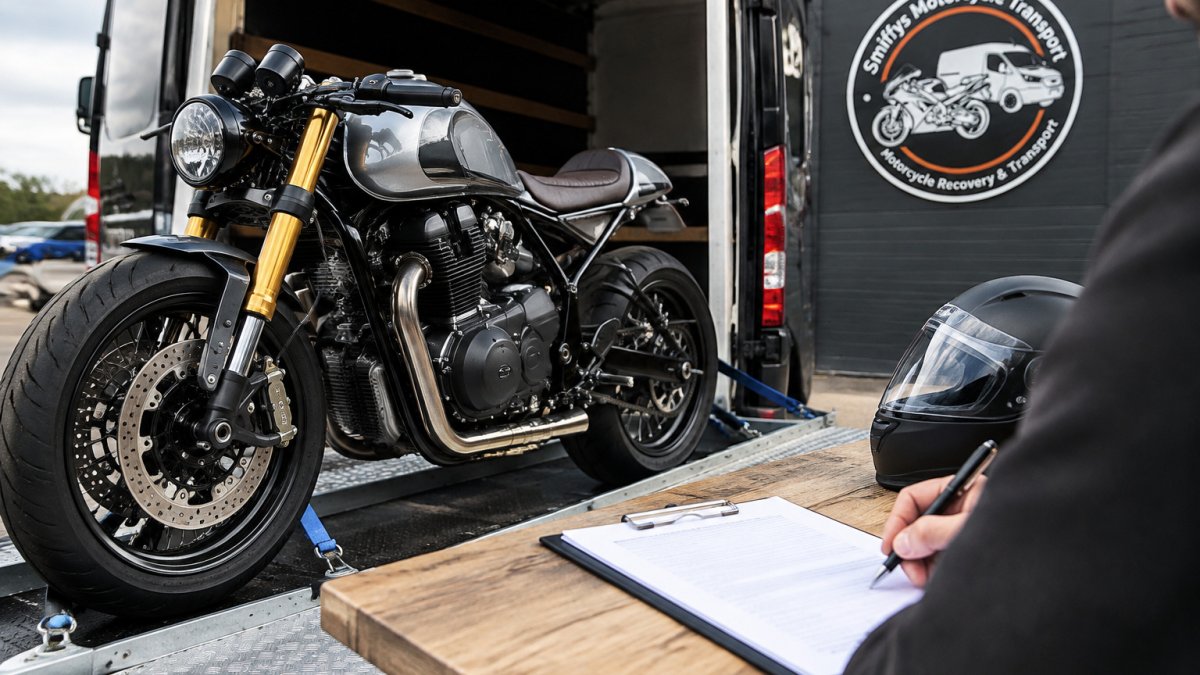
- Will you provide a written condition report at collection and delivery, and will I receive a copy before signing?
- Are subcontractors used, and does your cover extend to them? If the bike changes hands mid-journey, confirm whose policy responds.
- Is the bike ever left unattended in a yard or depot, and what security is in place?
Claims and Evidence
- How is a damage report handled, and how long does a claim usually take? Ask for the notification deadline in the policy wording.
- What evidence will the insurer require, and who submits the claim, you or the transporter?
- Can you provide the policy schedule and exclusions list before I book?
How to Verify the Answers
A reputable transporter should be willing to explain its cover clearly, without vague reassurance. Our motorcycle transport cost guide shows how distance, bike size and access affect prices and what each quote actually includes.
Watch out: a transporter who says "we're fully insured" without naming the per-bike limit or confirming that custom builds are accepted has not answered the question that matters most to you.
Get the answers in writing and keep them with your collection photographs and valuation evidence.
Preparing Your Custom Bike and Recording Its Condition
Good preparation is one of the most effective ways to protect your bike.
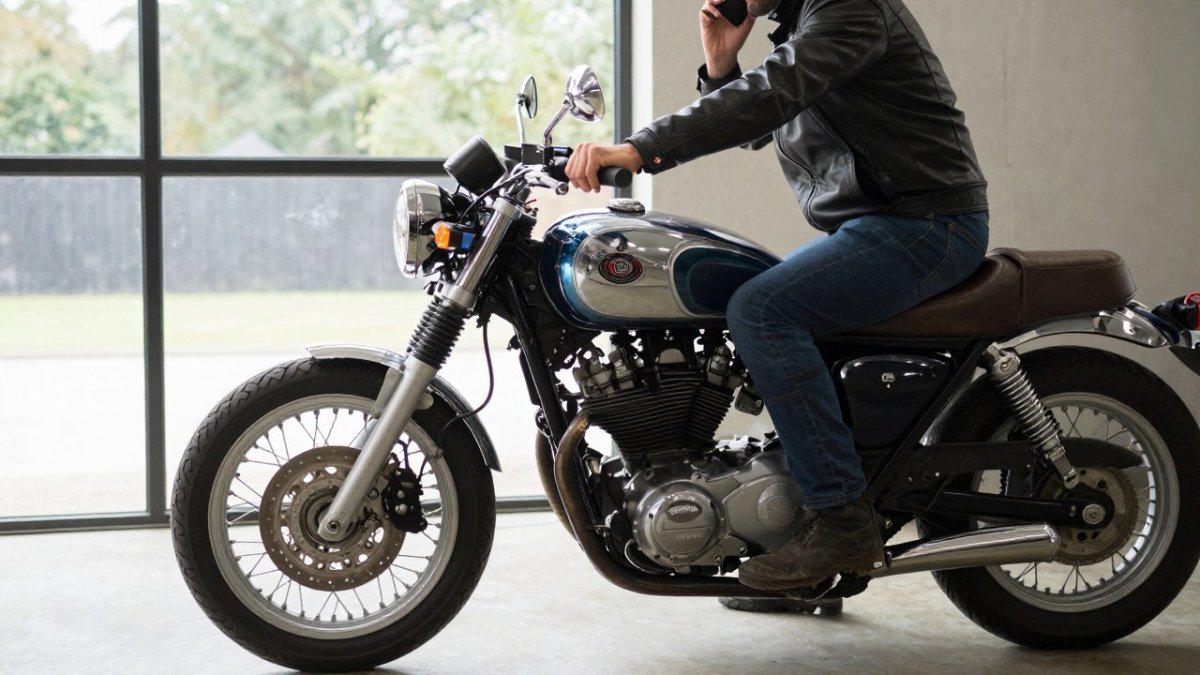
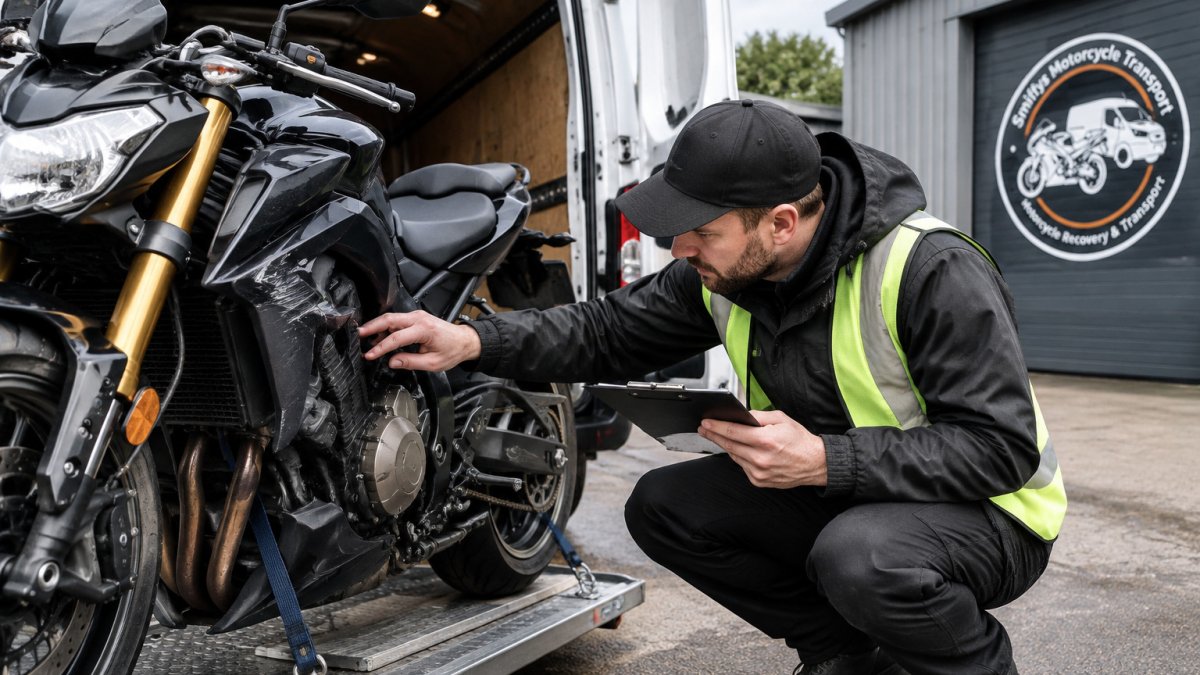
Photograph the bike from every angle in good light, paying close attention to paintwork, chrome, welds and any existing scratches.
Check the condition report carefully when it arrives. If you spot anything missing from the report, raise it before signing.
Preparation and a clear record make a claim far easier to support, so the key steps are set out below.
| Step | What to do | When |
|---|---|---|
| Clean the bike | Clean so surface marks are easy to see | Before collection |
| Remove loose items | Take off bags, mirrors and accessories you do not want transported | Before collection |
| Keep fuel low | Leave only a small amount of fuel | Before collection |
| Check the battery | Connect it and make sure it works | Before collection |
| Photograph the bike | Shoot from every angle in good light, including close-ups of fragile parts | Before collection |
| Check the condition report | Look for anything missing and raise it before signing | At collection and delivery |
Making a Motorcycle Transport Damage Claim
If your bike is damaged in transit, act quickly. Report the damage to the transporter and its insurer as soon as you discover it, ideally before you leave the delivery point.
Gather your evidence in one place: the collection condition report, your pre-collection photographs, the declared-value documents and any fitting invoices. Claims are decided on evidence, so the more complete your file, the smoother the process.
Keep copies of all correspondence and check the claim deadline in the policy. If the insurer disputes the claim, ask for the reasoning in writing. Financial Ombudsman Service guidance on complaints about insurers
Booking Your Custom Bike Collection With Smiffy's
At Smiffy's motorcycle transport, we collect and deliver motorcycles across Merseyside and the UK, door to door. Browse our specialist motorcycle transport services to arrange your custom bike collection.
Pricing depends on quantity, dates, and delivery. See the motorcycle transport pricing and insurance page to understand what costs cover and how to get an accurate quote before booking. For current prices or a quote, visit the Smiffy's motorcycle transport pricing page on the website.
Frequently Asked Questions
Does motorcycle transport insurance cover custom bikes?
It depends on the policy wording and whether the modifications have been declared. Standard transport cover is often written around a stock machine, so a custom build can fall outside it or be underpaid if the bike is not described accurately. Before collection, ask the transporter in writing whether their insurance covers custom and modified motorcycles, what the declared value limit is, and whether fitted parts and accessories are included. Keep receipts and build photos so the bike's specification and value can be proven if a claim is needed.
Are modifications covered while a motorcycle is being transported?
Modifications are generally covered only if they are declared and included in the valuation. Undeclared parts may be excluded from a claim, or the settlement may be reduced. List every fitted part, paint finish, exhaust and accessory when booking, and attach supporting evidence such as invoices or build sheets. Agreed value cover, where the value is set in advance, can make it easier to settle a claim for a bespoke build than relying on a market valuation after damage has occurred.
What should I do if a motorcycle is damaged during transport?
Do not accept delivery without checking the bike against the collection condition report. Note any new damage on the delivery paperwork before signing, and photograph it from several angles in good light. Report the damage to the transporter promptly and ask for their claims procedure in writing. Keep all correspondence, repair estimates and photographs, as these will support any claim made under the transporter's insurance.
What information should I give a motorcycle transporter before collection?
Provide the make, model and year, the full list of modifications and fitted parts, the declared value of the bike and its accessories, and any existing damage. Confirm the collection and delivery addresses, the access arrangements at each end, and whether the bike can be moved under its own power. Clear information at booking helps the transporter quote accurately, choose suitable equipment and set the right cover, which reduces the risk of disputes later.